
Why talk about the sustainability of the planet? Why talk of personal responsibility? As an Architect we are charged with protecting the Life, Safety, and Welfare of people, not just our clients. There are government rules we must follow. There are changing rules and regulations that are continually modifying that we must or should be aware of if we are to be of the greatest assistance to our clients and the community. Having been involved with community issues, non-profits, varying building types, and numerous clients and consultants, I have been able to have input into the changing rules and regulations on many different levels, departments, and building setbacks. By providing resources for the community I have extended my sphere of knowledge assisting in the decision making process for my clients. Supporting society, volunteering, being active, having a great outreach effort to know people, all have given me and my client’s access to a great amount of information. This access keeps me in the know when it comes to directing the design and management of all our jobs. In this day and age that knowledge acts as a great brain trust. This knowledge then transfers into the ability to push the rules and regulations to the limit, where necessary, advancing our clients goals, schedules, and bottom line.
Green Design Jim
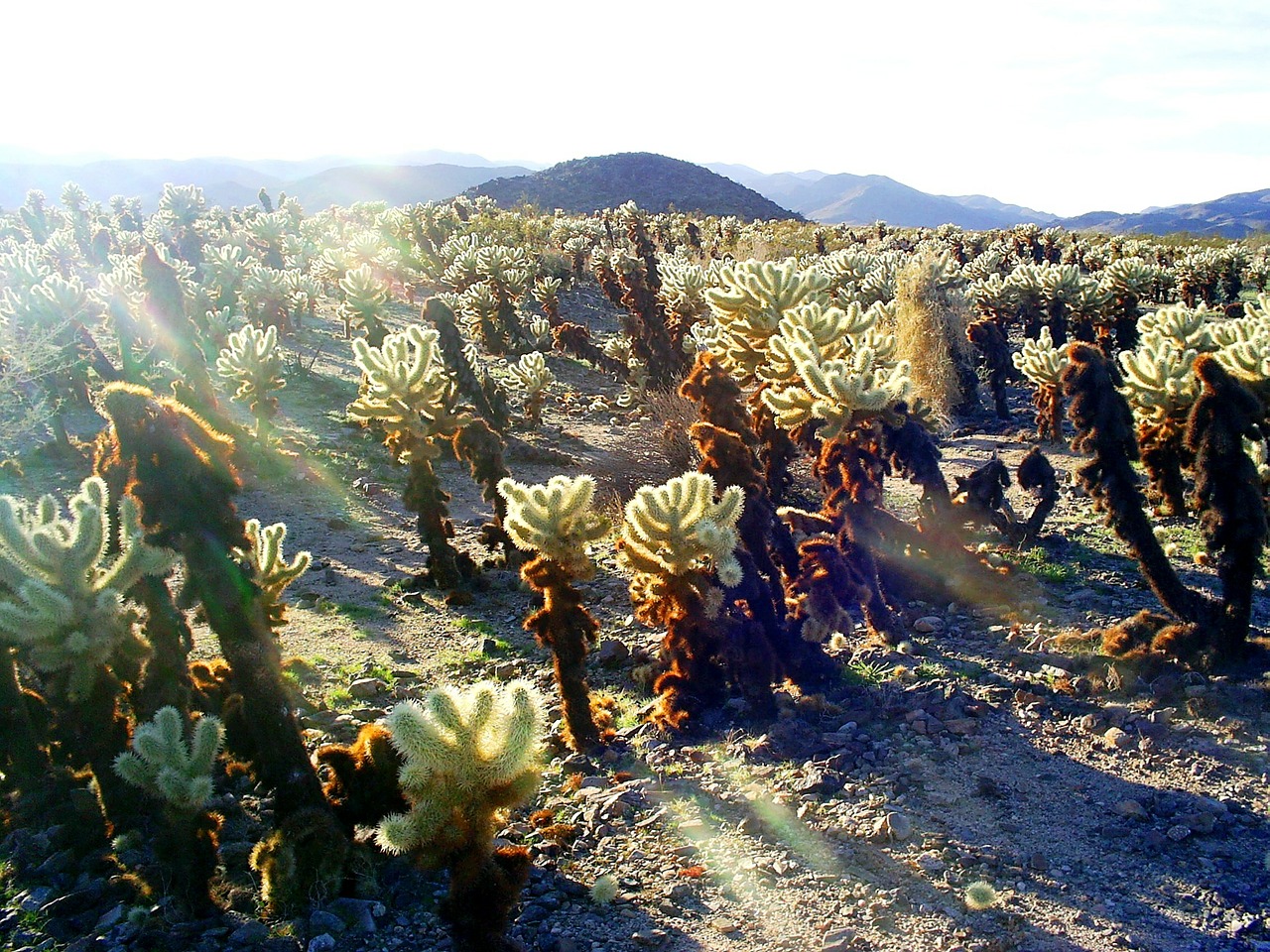
I just came across an LA Times article called “Protect California’s Desert”. They do need protecting and you can help.
I have been backpacking, camping, and hiking in the parks of California for over 40 years. I have responded to requests to make comments on final management plans for these parks. In the past that was a lot of very large books being sent to me for various parks. This was great because I was able to use my extensive personal history from visiting the parks in making my constructive comments to these agencies. I feel that I have done my responsibility as a citizen of California and our nation in making these responses and leaving no damage to the parks when I left.
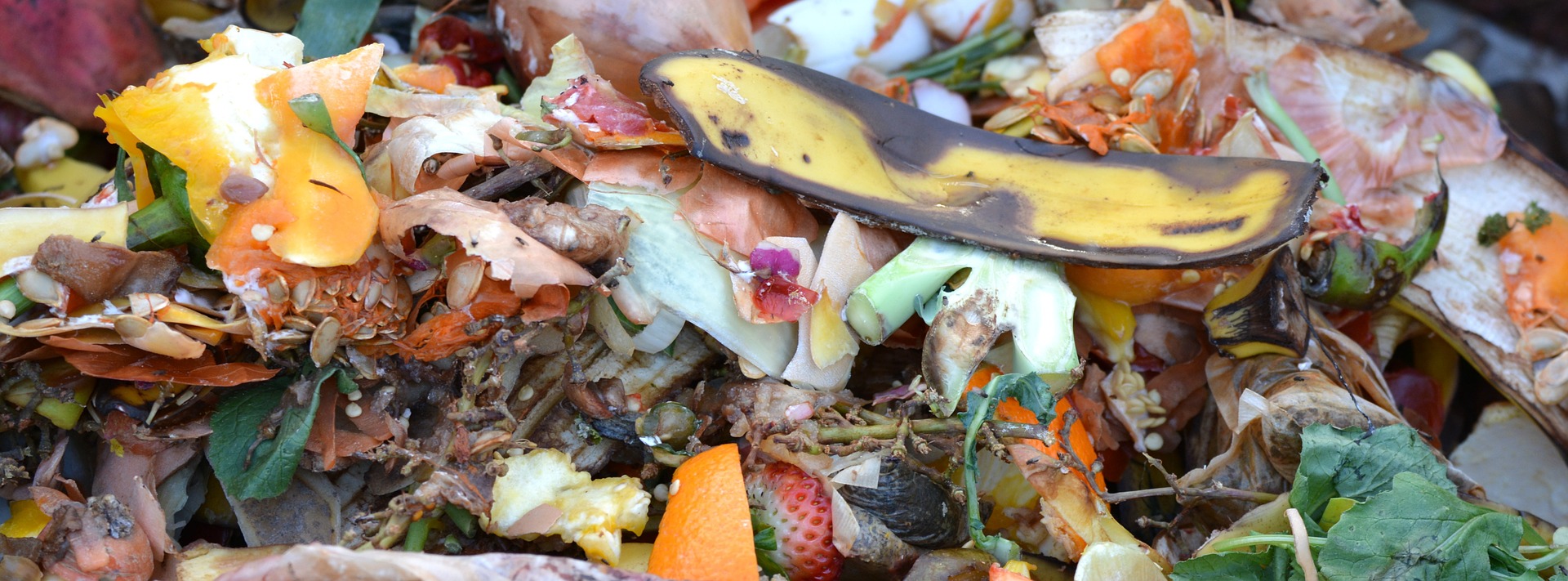
From the time I started writing my Water use and Food perception at the Market blog I have been seeing this issue in the paper and radio/TV media outlets. Then I read this article, It's Time To Get Serious about Reducing Food Waste, Feds Say. I really do not know why we allowed so much waste in the first place. Where else can we save any of our resources if saving food is so easy? The Feds can change tax codes to reduce waste through tax savings, accounting rules, legal recourses, air quality, income disparity, and many others. The big picture involves reviewing, adapting, and following through with all administrative systems within the government to implement efficiency starting with the big picture. There are many levels of bureaucracy to look at, but we should start with the biggest return/biggest bang for your buck. This would increase the efficiency of our legal, auditing, and administrative governance issues that are in the way of true efficiency patterns. Looking at basic societal rules which create profit margin to the extent that there is in the medical field as an example, accounting rules, insurance, and the legal world all related to health care. The health care system generically becomes a profit margin but the cost goes up based on the other issues noted irrelevant to health. Let’s fix what is obviously not working for the benefit of the majority of our citizens. Waste of any type should not be acceptable. It only helps the entrenched profit margins for a few. Many of those were put in place to help those industries by the representatives you vote for.

I recently read an interview with Peter Kareiva of The Nature Conservancy and how he is becoming UCLA’s Director of the Institute of the Environment and Sustainability. It struck a few chords with me.
I remember when smog was the issue of the day and our clean air laws went to cleaning up the pollution. As that issue started to improve, global warming and the carbon index became the talk of the town. Remember when the trash landfills were all filling up? Are there enough parks in your neighborhood? How about the amount of time you spend in traffic? Now the use of water is the big issue. All of these subjects are tied together by people’s values! What do you want in life? How fast do you want it? Are you trying to get a fast turnaround in your investments? Who wins and who loses? Your values set all these trends!
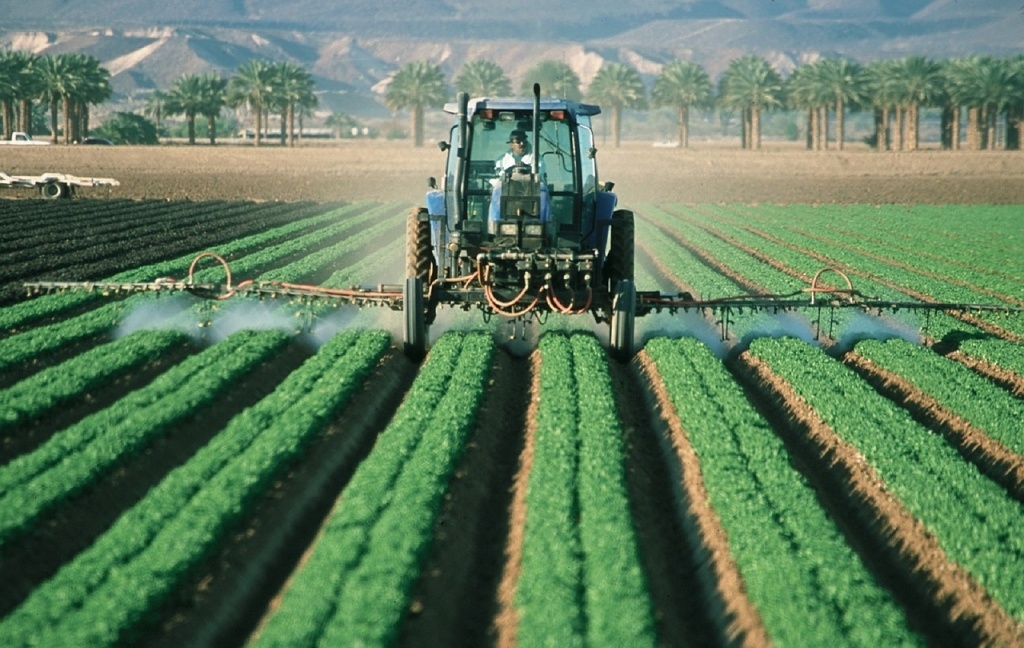
Governor Jerry Brown has once again tightened the water restrictions in California because of our serious drought. As I watched the MSNBC documentary "Just Eat It" on food waste in the USA and then saw the Los Angeles Times article “Lake Mead water level falls to a landmark low, and is likely to get worse”. I began to put the food waste and water issue together and came up with a simpler solution to the Drought and the way we use water.
When I look at water use on crops, crop waste, and the perception of the way our fruits and vegetables look on the market shelves, market merchandising for the sale of their fruits and vegetables I can see a simple, very simple solution, that accomplishes a great savings in the use of water! It saves money for the consumer. It saves and makes money for the farmer. It would reduce the need to fallow crops for more could be sold on a smaller foot print at a greater profit More food would be available. So, what is it I see?
Company
Legal
The content of this website is provided for information purposes only. While every effort is made to ensure that the information contained within the website is accurate and up to date, JHAI makes no warranty, representation or undertaking whether expressed or implied, nor does it assume any legal liability, whether direct or indirect, or responsibility for the accuracy, completeness, or usefulness of any information.
All materials, unless otherwise stated, are copyright and remain the property of JHAI.